
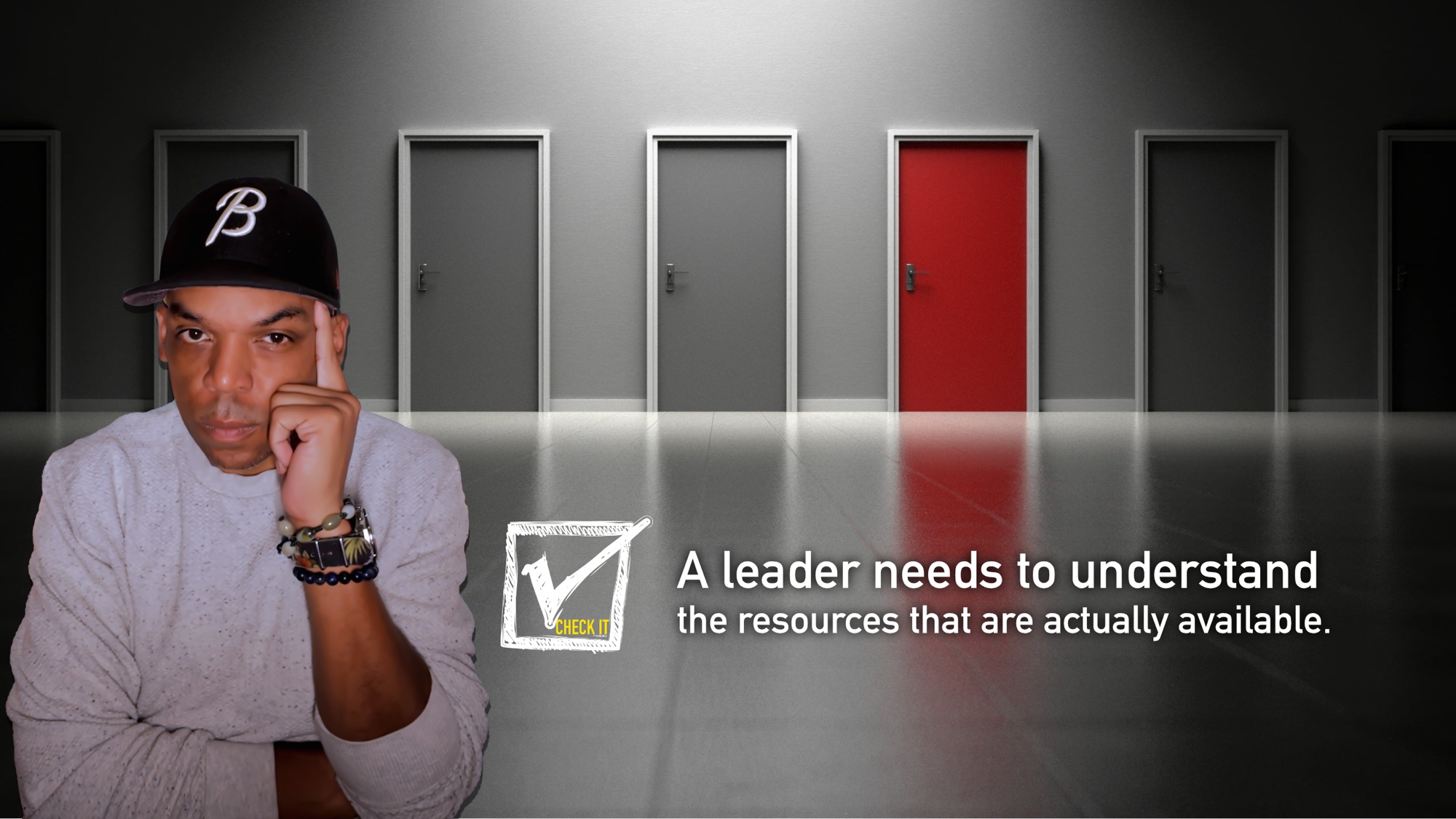
Understanding The Resources You Already Have
Before a leader can grow anything, we need an accurate read on the resources already available to us. That does not only mean capital or connections. It means people, and specifically, it means understanding how the people around us think.
In conversation, most people reveal fairly quickly whether they lean towards an optimistic or pessimistic mindset. Both perspectives carry value. The optimist tends to see the upside of a decision first, this mindset pushes a team through new challenges. The pessimist tends to see the risk first, this mindset saves a team from costly mistakes. Treating either mindset as the wrong one is a mistake. The real work of leadership is learning how to position each mindset where it does the most good.
Reading Mindset Through Speech Patterns
Recognizing whether someone is optimistic or pessimistic is a skill that can be developed, and it starts with paying attention to speech patterns. The words someone chooses, and how they frame a problem is their normal default state.
Leaders who deliberately build this skill are able to assemble genuinely balanced teams, instead of teams that simply agree with each other by accident. This is part of what business literature broadly refers to as human intelligence: the ability to read people accurately and use that read to make better decisions.
Self Awareness Is A Leadership Requirement, Not A Bonus
Reading people is only half the work. The harder, and more important half is understanding ourself.
A leader can become highly skilled at understanding other people’s mindsets and still let their own bias quietly shape a decision. Self awareness is what keeps a leader in an objective position while navigating different personality types. Without it, a leader’s own blind spots become the single biggest risk to the decisions they make, because those blind spots are the ones they are least equipped to catch on their own.
This is a skill worth building deliberately. Leaders who invest time in self awareness are able to separate the actually information from what they want the answer to be.
Substance Should Outweigh Delivery
There is a common mistake in how leaders evaluate the people around them. Giving more weight to how smoothly someone communicates than what they are actually communicating is misguided. The information a person presents is more valuable than a polished presentation. Working with strong communicators genuinely saves time, since it reduces the misunderstandings that come from unclear delivery.
The distinction matters. A leader who only listens to polished communicators will miss valuable information from people who simply have not developed that skill yet. Once a leader understands how to separate the two, people sharing their honest perspective becomes a real competitive advantage, one that most leaders never fully use.
Why Wealth Builders Avoid Difficult People
People who build sustainable wealth generally don’t spend much time managing difficult people. This isn’t because they avoid hard conversations. It’s because they are selective about who they let close, and that selection is based on a simple filter: is this person bringing solutions, or bringing more problems.
Much of the difficulty people experience in business and in life has been normalized as simply how things are. When an easier path is presented, some people take it. Others resist out of habit, even when resisting works against their own interest. That reaction is informative. People who are genuinely ready to grow take the steps that come with accepting help, starting with something as basic as being willing to listen.
The Takeaway For Leaders
Opportunity is rarely hidden by circumstance. It’s hidden by a closed mind, whether that closed mind belongs to the leader or to the people they have chosen to surround themselves with. Building the skill to read mindset, check personal bias, value substance over delivery, and filter for solution minded people is not a soft skill set. It’s the operating discipline behind every leader who consistently finds opportunity where others do not.
A Wealth by Design framework, my twelve month program built around the shift from operating a business day to day, to thinking and deciding like an investor. If this way of thinking reflects where you are trying to go, message BUILD WEALTH to get the link and learn more.


